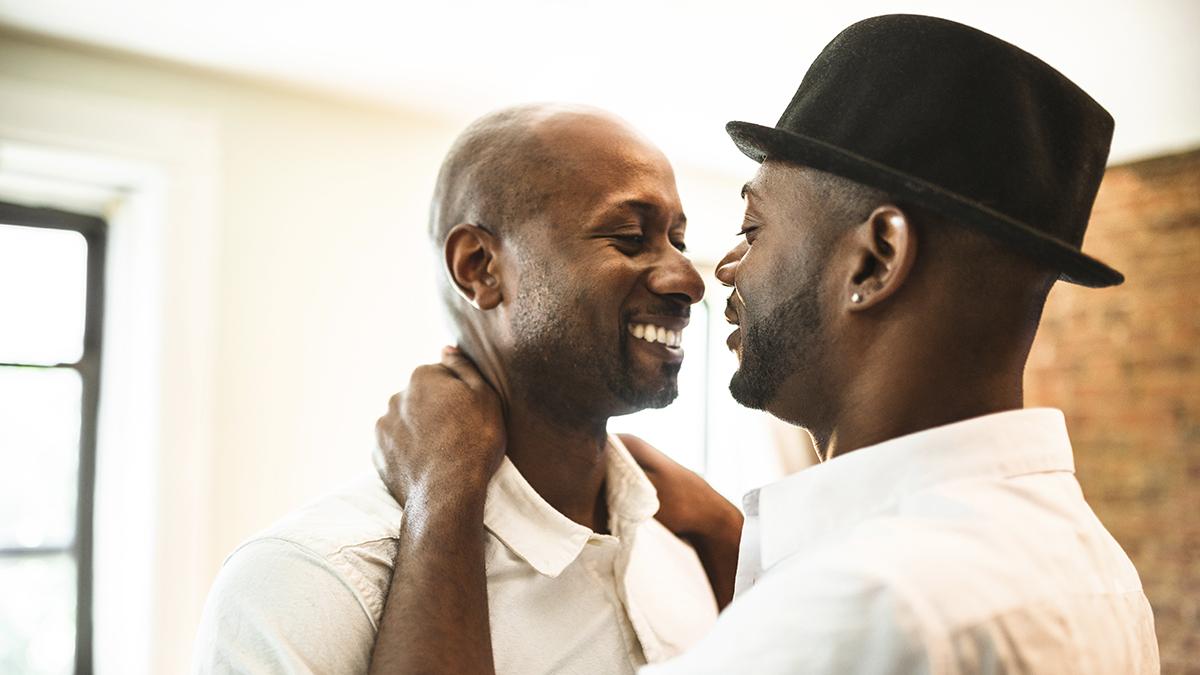

The Modern Adult Lifestyle: How Social Norms Around Relationships Are Changing

The concept of adulthood has evolved dramatically over the past few decades. Traditional expectations around relationships, marriage, and family life are no longer the only accepted path. Today’s adults navigate a landscape shaped by technology, shifting values, economic realities, and greater personal autonomy.
Modern relationship norms emphasize flexibility and individual choice. Instead of following a predetermined timeline—dating, marriage, children—many people now define adulthood in ways that align with their personal goals and lifestyles.
This shift reflects deeper social transformations. Changing attitudes toward commitment, gender roles, and emotional independence are reshaping how people form and maintain relationships.
The Decline of Traditional Relationship Timelines
For much of the 20th century, adulthood followed a predictable sequence. People typically married in their early twenties, settled into long-term partnerships, and built families relatively quickly.
Today, those expectations have loosened significantly.
Why traditional timelines are changing
Several factors have influenced this transformation:
- Longer education periods and career development
- Economic pressures such as housing costs and job instability
- Greater focus on personal growth and independence
- Changing attitudes toward marriage and parenthood
Many adults now prioritize self-development, travel, career exploration, and financial stability before committing to long-term relationships.
As a result, milestones such as marriage or having children are often delayed—or sometimes avoided entirely.
The Rise of New Relationship Models
Modern society has seen the emergence of diverse relationship structures that challenge older definitions of commitment.
These new models reflect a broader emphasis on personal compatibility, emotional honesty, and mutual agreement rather than rigid expectations.
Common modern relationship styles
Some increasingly visible relationship formats include:
- Long-distance relationships supported by digital communication
- Living-apart-together partnerships, where couples maintain separate homes
- Open relationships and ethical non-monogamy
- Delayed or optional marriage
- Child-free partnerships by choice
These approaches allow individuals to customize relationships to suit their emotional needs, lifestyle preferences, and career goals.
Importantly, these models are not necessarily less committed. Many emphasize communication, consent, and transparency as core values.
Technology’s Role in Modern Dating and Relationships
Technology has transformed how adults meet, communicate, and maintain romantic connections.
Dating apps, social media platforms, and messaging tools have introduced entirely new dynamics into relationship culture.
How digital tools influence relationships
Modern technology affects relationships in several ways:
- Expanded dating pools beyond geographic boundaries
- Faster communication and constant connection
- Greater visibility of different lifestyles and relationship types
- More opportunities to meet compatible partners
However, digital dating also introduces challenges such as choice overload, ghosting, and short-term interaction patterns.
While technology increases access to potential partners, it also requires individuals to develop stronger communication and boundary-setting skills.
Redefining Commitment in the Modern Era
Commitment today is less about following social expectations and more about shared values and intentional partnership.
Many adults now view commitment as something negotiated rather than assumed.
Modern definitions of commitment often include
- Mutual emotional support
- Respect for personal independence
- Shared decision-making
- Flexible life planning
- Open communication about needs and boundaries
Instead of rigid roles, couples increasingly create partnerships based on equality and personal fulfillment.
This change has also influenced how people approach cohabitation, marriage, and parenting decisions.
The Influence of Gender Equality
Shifting gender roles have played a major role in reshaping adult relationships.
In previous generations, relationships were often structured around traditional divisions of labor. Today, those roles are far less rigid.
Key social changes affecting relationships
- Increased participation of women in the workforce
- Greater financial independence
- More equal expectations around domestic responsibilities
- Recognition of emotional labor and shared parenting
As gender equality expands, relationships increasingly prioritize partnership rather than hierarchy.
Couples are more likely to negotiate responsibilities rather than assume them based on traditional norms.
The Growing Acceptance of Single Adulthood
Another important shift is the changing perception of single adulthood.
Being unmarried or not in a relationship is no longer widely seen as a social failure. Many people now embrace intentional singlehood as a valid lifestyle.
Reasons people choose single adulthood
- Personal independence and flexibility
- Career focus and professional mobility
- Financial planning and stability
- Avoiding incompatible partnerships
- Prioritizing mental and emotional well-being
Modern society increasingly recognizes that fulfillment does not depend solely on romantic partnership.
Friendships, community ties, and personal achievements also play significant roles in adult satisfaction.
Cultural Differences and Global Influence
Although relationship norms are changing worldwide, the pace and nature of these changes vary by region and culture.
Urban environments and highly connected societies tend to adopt new relationship models more quickly. Global media and online communities expose people to different ways of living and partnering, influencing expectations across cultures.
Despite these shifts, traditional values still remain influential in many communities, creating a blend of old and new relationship expectations.
The Future of Adult Relationships
The modern adult lifestyle will likely continue evolving as social attitudes, technology, and economic conditions change.
Future relationship trends may include:
- Greater acceptance of diverse partnership structures
- More emphasis on emotional intelligence in relationships
- Hybrid lifestyles balancing independence and partnership
- Continued delays in marriage and parenthood
Ultimately, modern relationships are becoming more individualized and intentional. Instead of following rigid scripts, adults increasingly design relationships that reflect their values, goals, and personal identities.
FAQs
1. Why are people getting married later than previous generations?
Many adults delay marriage to focus on education, career development, financial stability, and personal growth before committing to long-term partnerships.
2. Are modern relationships less stable than traditional ones?
Not necessarily. Many modern partnerships prioritize communication, compatibility, and emotional understanding, which can strengthen long-term stability.
3. How has online dating changed relationship culture?
Online platforms have expanded dating opportunities and allowed people to meet partners outside their social circles, though they also introduce challenges such as superficial interactions.
4. What does “living apart together” mean?
It refers to couples who maintain a committed relationship but choose to live in separate homes while maintaining independence.
5. Why are more people choosing to remain single?
Some individuals value independence, career focus, or personal fulfillment and prefer not to enter relationships unless they find a highly compatible partner.
6. Are alternative relationship structures becoming more common?
Yes. Open relationships, long-distance partnerships, and non-traditional arrangements are gaining visibility as social acceptance grows.
7. How do changing gender roles influence modern relationships?
Greater gender equality encourages shared responsibilities, balanced decision-making, and partnerships built on mutual respect rather than traditional role expectations.